




You can change your settings at any time, including withdrawing your consent, by using the toggles on the Cookie Policy, or by clicking on the manage consent ledger account button at the bottom of the screen. Quickonomics provides free access to education on economic topics to everyone around the world. Our mission is to empower people to make better decisions for their personal success and the benefit of society.
Assessing the Solvency of a Business
The next ratio is the debt to assets ratio, so we’ll divide our company’s debt by its total asset base, which is expectedly 0.5x. In other words, the company’s assets were financed evenly using Liability Accounts 50% debt and 50% equity. The AFSA offers a way to compare options and check eligibility if you need to. However, you must keep in mind that each insolvency correction option comes with it a set of consequences.
Comparing Solvency and Liquidity: Key Differences
It shows if there is a lot of debt outstanding or if payments are made regularly to reduce debt liability. The cash flow statement measures not only the ability of a company to pay its debt payable on the relevant date but also its ability to meet debts that fall in the near future. A solvent company is able to achieve its goals of long-term growth and expansion while meeting its financial obligations. In its simplest form, solvency measures if a company is able to pay off its debts over the long term.
Ensuring Financial Solvency: Strategies for Companies to Maintain Health
Understanding financial solvency is essential for business owners to ensure their operations are lack of long-term solvency refers to: sustainable and can withstand economic challenges. Budgets play a vital role in achieving financial solvency by helping businesses plan and control expenses. Simply put, it measures a company’s financial health, indicating whether it has enough assets to cover its liabilities. Solvency refers to a company’s capacity to fulfill long-term debts and financial commitments, reflecting its financial health and operational longevity. A quick solvency check involves examining shareholders’ equity, derived from the difference between assets and liabilities on the balance sheet.

What are the differences between solvency ratios and liquidity ratios?
It provides insight into the company’s financial structure and ability to cover long-term obligations. This ratio compares a company’s total debt to its shareholders’ equity, indicating how much it finances its operations through debt. This divides operating income by interest expense and demonstrates a company’s ability to pay the interest on its debt, which provides a good picture of its ability to remain solvent. A third common ratio is the debt-to-equity ratio, which divides a company’s debt by its equity and shows the amount of debt the company has accrued.
Solvency is critical because it signifies that a company can support its day-to-day operations while having funds to invest in growth opportunities. A solvent company has a positive net worth, with the value of its assets exceeding its liabilities, ensuring its viability and capacity for resilience and growth. Solvency is the ability of a company to meet its long-term debts and financial obligations. Solvency is essential to staying in business as it demonstrates a company’s ability to continue operations into the foreseeable future. While a company also needs liquidity to thrive and pay off its short-term obligations, such short-term liquidity should not be confused with solvency.
Are Solvency Ratios the Same for Every Company?
A company’s ability to meet its financial obligations in the short and long term is at the heart of financial health. This could lead to a cascading series of events threatening a business’s existence. Without financial solvency, a company may find it exceedingly difficult to secure additional funding, as lenders and investors scrutinize solvency ratios before committing capital. When a company lacks financial solvency, it’s teetering on the edge of a precarious financial cliff. This means the business cannot meet its long-term liabilities, jeopardizing its future operations. The concept of solvency is integral to a company’s financial health and sustainability.
- It’s like checking if someone earns enough to comfortably make their credit card minimum payments.
- Budgets play a vital role in achieving financial solvency by helping businesses plan and control expenses.
- This indicates how reliant the company is on long-term debt to fund its operations.
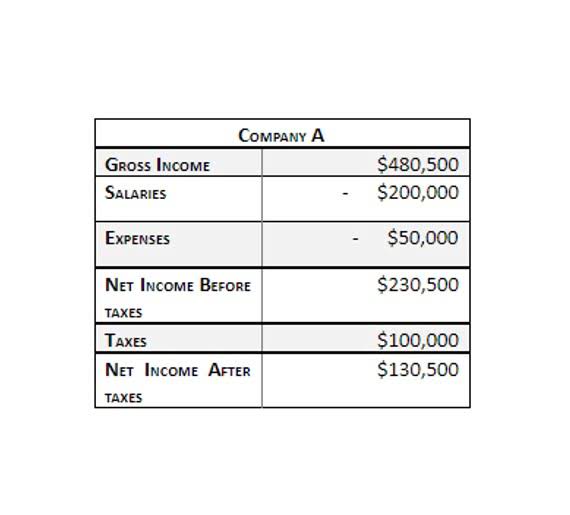
- Suppose you’re tasked with measuring the solvency risk of a company given the following financial data for the latest fiscal year, 2022.
- Sufficient assets can be hard to come by, and getting approved for a loan with reasonable interest rates can be the first hurdle to jump over when you start a business.
A solvent company confidently navigates its various phases with an eye toward long-term ambitions. The company’s adeptness at managing financial solvency directly influences its operational agility, allowing the skill required to seize opportunities without the encumbrance of liquidity crises. When analyzing the role solvency plays in a company, it’s essential to scrutinize the balance between debts and the capital structure. By effectively assessing solvency, one can gauge a company’s viability, ensuring its operations generate enough returns to cover its obligations without compromising its future. This ratio shows how easily a company can pay interest on its outstanding debt.
That liquidation process took several years, but once complete all vestiges of Enron ceased to exist. Mark J. Kane, Founder and CEO of Sunwise Capital, is an entrepreneur with over 16 years of experience in business financing. Starting as a psychologist, he transitioned to a major Wall Street firm before founding multiple ventures, including bootstrapping a startup with $5K to $18M in revenue within months. Driven by his passion for empowering business owners, he founded Sunwise Capital to provide strategic financial solutions. His leadership reflects a commitment to helping businesses achieve growth and long-term success. Sunwise Capital offers insights and support to businesses striving to uphold their financial health and ensure their enduring solvency.
CS2 Gambling Sites That Accept Google Pay in 2024
Financial solvency is the bedrock upon which a company’s operations securely stand. When a business maintains solvency, it signifies its ability to meet financial obligations and reflects robust risk management practices. This balance between debt and capital is critical—too much debt may compromise a company’s solvency, while ample capital usually indicates robust financial footing.